Wound care is a specialized medical discipline focused on the assessment, diagnosis, and treatment of acute and chronic wounds. The complexity of wound healing involves numerous biological processes, including hemostasis, inflammation, proliferation, and remodeling. Effective wound care management reduces infection risk, minimizes scarring, accelerates healing, and improves patient quality of life. Key types of wounds addressed in clinical practice include pressure ulcers, diabetic foot ulcers, venous leg ulcers, burns, and surgical wounds.
Modern wound care utilizes advanced dressings, negative pressure wound therapy, bioactive materials, enzymatic debridement, and digital wound imaging to enhance clinical outcomes. With the rise in comorbidities such as diabetes and vascular disease, the global wound care market is witnessing significant innovation and investment in smart wound monitoring and telemedicine-enabled wound management systems.
Key functionalities of a wound care therapy tracker include:
• Automated wound measurement and 3D imaging
• Therapy regimen scheduling and adherence monitoring
• Electronic health record (EHR) integration
• AI-driven wound progression analytics
• Clinical decision support for dressing and intervention selection
• Patient engagement portals for remote monitoring and compliance
• wound care therapy tracker for hospitals
• AI-based wound healing monitoring systems
• digital wound care documentation solutions
• clinical wound management software for chronic wounds
• surgical wound care data analytics platform
Want to know more Request a sample report on Advanced Wound Care Market
According to BIS Research, the global wound care market is expanding due to the increasing prevalence of chronic wounds, aging populations, and advancements in wound care technologies. The integration of digital wound care therapy trackers is further driving market growth, offering clinical efficiency, reduced treatment costs, and improved outcomes.?
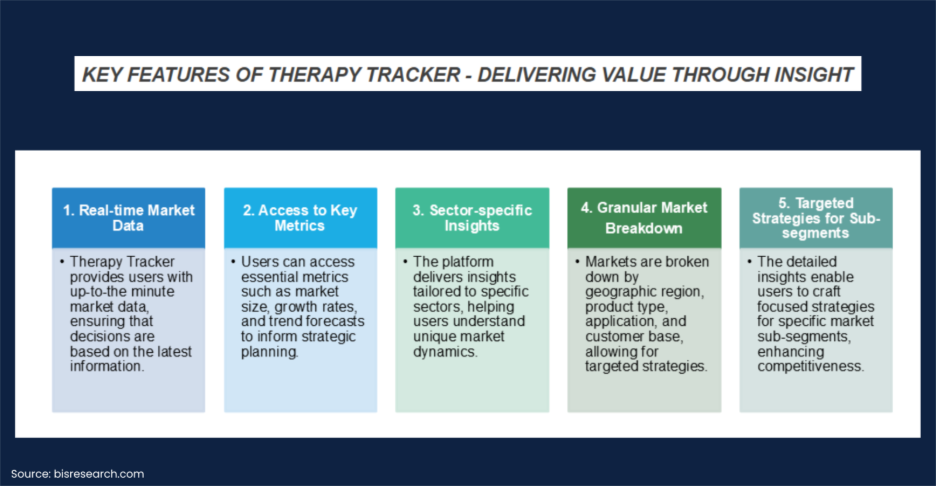
Explore our therapy tracker now!
• AI and Machine Learning: Enable predictive analytics for wound healing trajectories and automated alerts for therapy adjustments.
• 3D Imaging and Digital Photogrammetry: Provide precise wound measurement, reducing subjective errors and supporting objective monitoring.
• Interoperability with Hospital Systems: Seamless integration with EHR and surgical workflow platforms ensures continuity of care and reduces administrative burden.
• Data Security and Compliance: HIPAA/GDPR-compliant solutions safeguard patient data, a critical factor in digital health adoption.
Key players are investing in smart wound care platforms, with partnerships between healthcare providers and medtech companies accelerating the deployment of cloud-based wound care therapy tracking solutions. Emerging vendors are focusing on mobile-first solutions for home health and long-term care settings.
Wound care therapy trackers are segmented by end user (hospitals, home healthcare, long-term care facilities), wound type (acute, chronic), and technology (standalone apps, integrated EHR modules, AI-driven analytics platforms). North America and Europe currently lead in adoption due to advanced healthcare infrastructure and supportive reimbursement frameworks, but rapid growth is expected in Asia-Pacific, driven by rising healthcare digitization and increasing chronic wound incidence.
• Remote Patient Monitoring: Telehealth-integrated wound care therapy trackers allow clinicians to manage wound healing remotely, increasing accessibility for rural and immobile patients.
• Patient Engagement: Self-service portals and smartphone apps improve adherence and empower patients in their own wound care journey.
• Evidence-Based Practice: Aggregated data from wound care therapy trackers supports research, benchmarking, and clinical best practice development.
A wound care therapy tracker is not just a digital tool; it is a transformative enabler for precision wound healing and value-based care. By leveraging advanced analytics, AI, and integrated data management, healthcare providers can improve healing rates, reduce hospital readmissions, and drive down overall costs.
The integration of therapy tracking platforms with comprehensive surgical procedure volume databases like those offered by BIS Research unlocks unparalleled insights. These insights can inform resource allocation, predict market demand for advanced wound care technologies, and optimize clinical pathways for both acute and chronic wound patients.
Explore our surgical procedure volume database to discover how data-driven wound care solutions can transform your practice and improve patient outcomes.