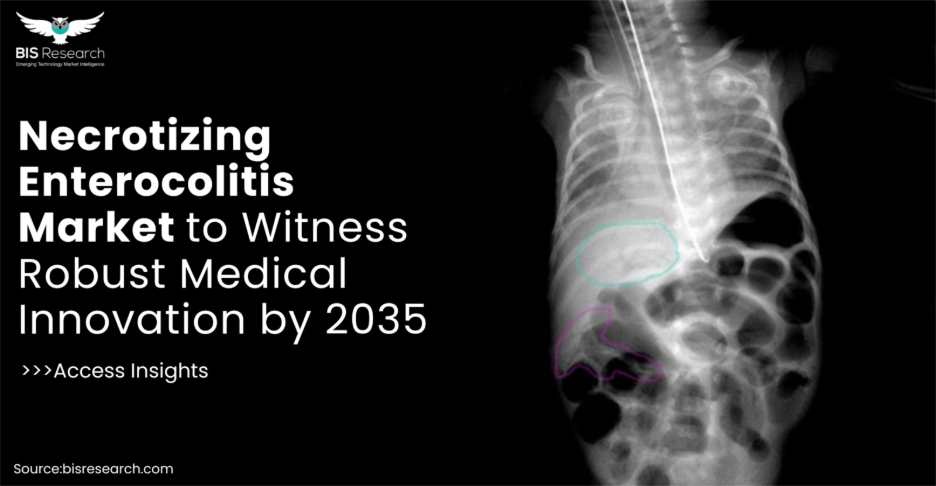
Necrotizing enterocolitis (NEC) is a severe inflammatory gastrointestinal disorder that predominantly affects premature and medically fragile newborns. The condition results in damage to the intestinal lining, which can progress from mild inflammation to severe tissue necrosis and life-threatening bowel perforation. Although the precise cause remains unclear, NEC is believed to arise from a complex interaction of underdeveloped intestinal function, reduced blood flow, and abnormal microbial colonization.
Symptoms such as abdominal distension, feeding intolerance, bloody stools, lethargy, and unstable vital signs demand immediate clinical attention, as the disease can worsen rapidly. Management includes bowel rest, antibiotics, and supportive neonatal care, while critical cases often require surgical removal of affected intestinal sections.
Despite advances in neonatology, NEC continues to be a major cause of death and long-term complications among preterm infants, underscoring the urgent need for improved diagnostic, preventive, and therapeutic solutions.
According to industry insights, the global NEC market is expanding steadily as neonatal care facilities increasingly adopt advanced nutrition, microbiome-based therapies, and precision diagnostic tools to address this high-risk condition.
Explore the full TOC and Book a preview
• Rising rates of preterm and low-birth-weight births worldwide
• Increasing use of human milk–based nutritional products for reducing NEC risk
• Advancements in NICU technologies, including imaging, monitoring, and feeding systems
• Growing adoption of probiotics, prebiotics, and microbiome-modulating therapies
• Expansion of neonatal care infrastructure in emerging economies
• Rising clinical research in immunotherapies, biologics, and live biotherapeutic products
• Persistently high mortality and morbidity rates among severely premature infants
• Lack of reliable early diagnostic biomarkers, leading to delayed treatment
• Increasing regulatory scrutiny and litigation related to infant formula safety
• Limited awareness and uneven access to advanced NEC therapies in low-resource settings
• High costs associated with specialized neonatal nutrition and surgical care
• Slow adoption of novel therapeutics due to stringent pediatric safety requirements
• Medical Management
o Antibiotic Therapy
o Probiotics & Prebiotics
o Others
• Surgical Intervention
o Peritoneal Drainage
o Laparotomy & Resection
o Stoma Formation
• Adjunctive & Supportive Therapies
o Immunotherapies
o Growth Factors & Cytoprotective Agents
• By Diagnosis
o Imaging Techniques
o Abdominal X-Ray
o Abdominal Ultrasound (AUS)
o Doppler Ultrasound
• Laboratory Tests
o Complete Blood Count (CBC)
o C-Reactive Protein (CRP) & Other Inflammatory Markers
o Others
• Stool Tests
o Occult Blood Test
• Hospitals & NICUs
• Paediatric Clinics
• Academic & Research Institutes
• Others
• North America
• Europe
• Asia-Pacific
The NEC market continues to grow as healthcare systems worldwide adopt advanced diagnostics, NICU technologies, and specialized nutrition and therapeutic products tailored for premature infants. Investments in neonatal R&D, precision medicine, and microbiome engineering are expected to accelerate market expansion through 2035.
According to industry analysts: “The necrotizing enterocolitis market is entering a transformative phase as precision diagnostics, microbiome-based interventions, and human-milk innovations reshape neonatal care. With rising rates of preterm births globally, the demand for early-stage prevention, targeted therapeutics, and advanced NICU technologies will continue to surge. The next decade will see NEC management shift from reactive treatment toward predictive, personalized, and preventive care.”
The market is projected to experience consistent growth through 2035, driven by increasing adoption of advanced neonatal nutrition, microbiome therapies, and early diagnostic tools.
Major players include manufacturers of human milk–based products, NICU medical device companies, microbiome therapeutics developers, and biotechnology firms pursuing NEC-focused innovations.
Human milk–based nutrition, targeted probiotics, rapid diagnostic imaging tools, and minimally invasive surgical procedures remain the most sought-after solutions.
BIS Research delivers in-depth market intelligence, KOL-driven insights, and strategic guidance across neonatal care, advanced therapeutics, and healthcare technologies