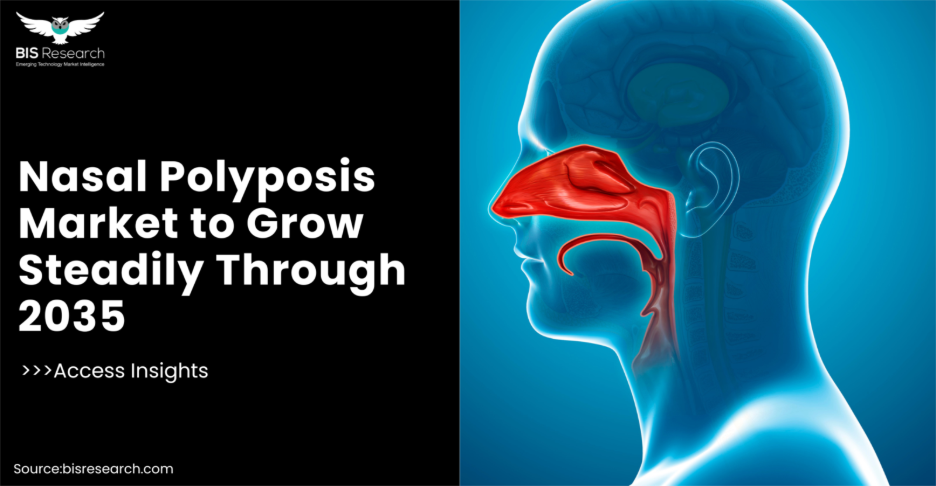
Nasal polyposis refers to soft, painless, and benign growths that form within the nasal cavity and sinus lining. Typically appearing in clusters and resembling teardrops, these polyps are strongly associated with chronic rhinosinusitis—an inflammatory condition that lasts for 12 weeks or longer. Patients often experience persistent nasal congestion, diminished smell and taste, postnasal drip, runny nose, facial pressure, headaches, snoring, and sleep disturbances. These symptoms collectively impact breathing comfort, productivity, and overall quality of life.
Although the exact cause remains uncertain, evidence suggests an abnormal immune response and distinct chemical patterns within the nasal mucosa that heighten inflammation sensitivity. Diagnosis usually involves endoscopic evaluation by ENT specialists, with imaging tools such as CT or MRI scans used to assess the size, location, and extent of polyps. In some cases, a biopsy is performed to rule out other conditions.
According to BIS Research, the global nasal polyposis market is expanding steadily from 2025 to 2035, supported by early diagnosis, evolving care pathways, and the increasing integration of advanced biologics and targeted treatments.
Explore the full TOC and Book a preview
• Rising global prevalence of chronic rhinosinusitis with nasal polyposis (CRSwNP)
• Expanding adoption of biologic drugs for severe or treatment-resistant cases
• Increased use of advanced imaging tools (CT, MRI, nasal endoscopy) for early detection
• Growing patient and clinician awareness of symptom management and treatment options
• Strong innovation pipelines focusing on targeted and precision-based therapies
• High cost and limited accessibility of biologic therapies, especially in emerging economies
• Frequent recurrence of polyps even after surgical interventions such as endoscopic sinus surgery (ESS)
• Limited treatment options for patients with non–type-2 inflammation, where existing biologics show reduced effectiveness
• Need for long-term management strategies, increasing healthcare burden
• Uneven availability of ENT specialists and advanced diagnostic technologies across regions
• Intranasal Delivery
o Nasal Sprays
o Nasal Drops
o Others
• Implant-Based Delivery
• Oral Delivery
• Injectable / Biologic Delivery
• Other Delivery Formats
• Pharmacological
o Pharmacotherapy
o Intranasal Corticosteroids
o Oral Corticosteroids
o Topical/Oral Antibiotics
• Adjunct Therapies
• Biologic Therapies
• Non-Pharmacological
o Surgical & Device-Based Interventions
o Functional Endoscopic Sinus Surgery (FESS)
o Steroid-Eluting Implants/Stents
o Balloon Sinuplasty & Other Minimally Invasive Devices
• Hospitals & Ambulatory Surgery Centres (ASCs)
• ENT & Allergy Clinics
• Others
• North America
• Europe
• Asia-Pacific
According to senior analysts at BIS Research: “The nasal polyposis market is entering a transformative phase driven by biologics, minimally invasive surgeries, and precision medicine. As targeted therapies continue to evolve, patient outcomes will significantly improve with reduced recurrence rates and enhanced quality of life. The next decade will witness a surge in personalized treatment regimens, innovative delivery systems, and broader access to advanced therapeutics across global markets.”
The market is projected to grow steadily through 2035, supported by the adoption of biologics, improved diagnostic technologies, and rising awareness of CRSwNP management.
Major companies include Sanofi, Regeneron Pharmaceuticals, GlaxoSmithKline, AstraZeneca, Novartis, Optinose, Medtronic, and Smith & Nephew.
Biologic therapies (e.g., dupilumab, omalizumab) lead demand due to targeted efficacy, while minimally invasive procedures such as FESS and steroid-eluting implants are gaining traction for long-term management.
BIS Research offers KOL-based insights, rigorous segmentation, and strategic advisory across software, hardware, and sensing tech domains