Healthcare digitalization has moved far beyond electronic health records and teleconsultations. The industry is now entering a computational era where algorithms, connected devices, and intelligent therapeutics are reshaping how care is delivered, monitored, and optimized. This shift is not incremental. It is structural, driven by the convergence of artificial intelligence, real-time patient data, and software-defined treatment pathways.
At its core, computational healthcare integrates data, analytics, and automation into clinical decision-making. The result is a system that is not only reactive but predictive, personalized, and continuously learning.
Traditional healthcare models rely heavily on episodic interactions. A patient visits a doctor, receives treatment, and leaves. Computational healthcare replaces this with continuous engagement.
Technologies such as remote patient monitoring systems for chronic disease management and AI-driven clinical decision support tools enable real-time tracking of patient vitals, early detection of anomalies, and proactive intervention. For instance, wearable devices can now detect irregular heart rhythms and alert both patients and physicians before a critical event occurs.
This transition is particularly impactful in managing chronic diseases like diabetes, cardiovascular disorders, and respiratory conditions, where continuous monitoring significantly improves outcomes.
Digital therapeutics (DTx) represent one of the clearest indicators of healthcare becoming computational. Unlike traditional drugs, DTx solutions use software to deliver evidence-based therapeutic interventions.
From cognitive behavioral therapy apps for mental health to software-guided diabetes management programs, these solutions are redefining treatment protocols. They offer scalability, personalization, and measurable outcomes, making them attractive to both providers and payers.
A key advantage is their ability to generate continuous data loops. Every patient interaction feeds back into the system, improving treatment algorithms over time. This creates a dynamic, evolving therapy model rather than a static one.
Long tail keyword integration such as software-based therapeutic interventions for chronic disease management and FDA-approved digital therapeutics platforms for mental health treatment reflects the growing search interest and market maturity.
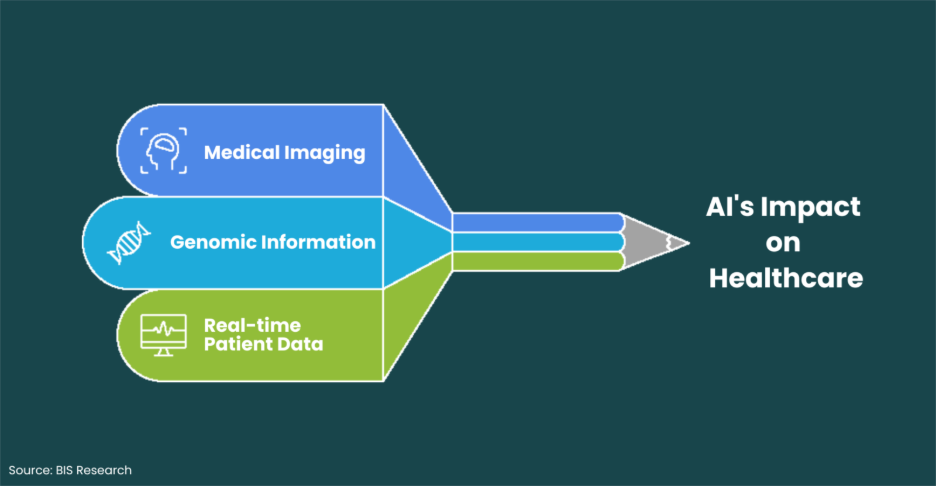
Artificial intelligence is the backbone of computational healthcare. It enables the processing of vast datasets, including medical imaging, genomic information, and real-time patient data.
AI applications range from predictive analytics in hospital operations to machine learning models for early disease detection. In radiology, AI algorithms can identify abnormalities in scans with high accuracy. In oncology, AI helps in identifying personalized treatment pathways based on genetic markers.
Moreover, AI is enhancing administrative efficiency by automating workflows, reducing clinician burnout, and improving resource allocation. Hospitals are increasingly adopting AI-powered systems to optimize bed management, staffing, and patient flow.
The integration of AI is not just about efficiency. It is about enabling a shift toward precision medicine and outcome-based care.
The real transformation lies in the convergence of digital therapeutics, remote monitoring, and AI. Individually, each technology offers value. Together, they create a unified, data-driven healthcare ecosystem.
Consider a patient with hypertension. A wearable device continuously monitors blood pressure. The data is analyzed by AI algorithms that detect patterns and predict risks. A digital therapeutic app then provides personalized interventions, such as medication reminders or lifestyle recommendations.
This closed-loop system ensures continuous care, minimizes human error, and enhances patient adherence. It also shifts the focus from treatment to prevention, which is a fundamental change in healthcare delivery.
For healthcare providers, computational systems improve clinical outcomes and operational efficiency. For patients, they offer convenience, personalization, and better health management. For payers, they reduce costs through preventive care and reduced hospitalizations.
However, challenges remain. Data privacy, regulatory frameworks, and interoperability issues need to be addressed to fully realize the potential of computational healthcare.
Healthcare digitalization is no longer about digitizing records or enabling virtual consultations. It is about building intelligent, adaptive systems that can learn, predict, and act.
The transition to computational healthcare is inevitable. Organizations that invest early in AI, digital therapeutics, and remote monitoring will be better positioned to lead in this new paradigm.
As the boundaries between technology and medicine continue to blur, one thing is clear: the future of healthcare will not just be digital. It will be computational.