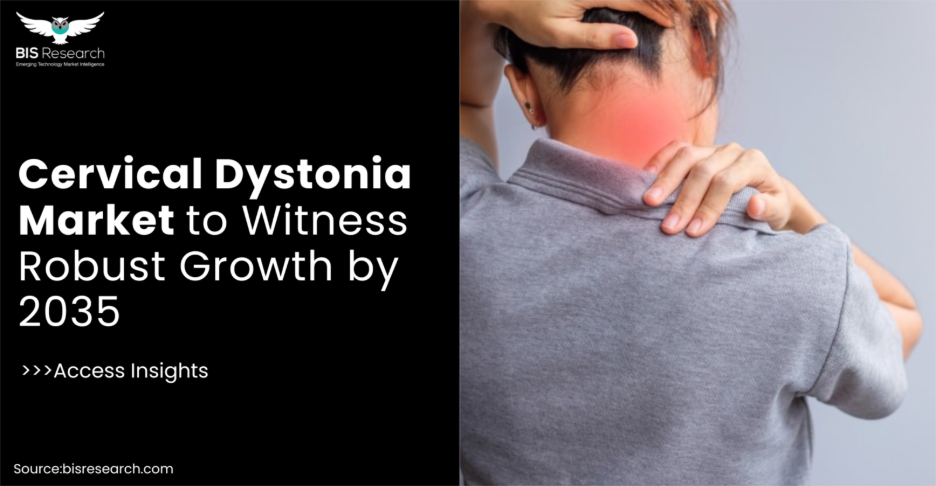
Cervical dystonia—also known as spasmodic torticollis is a chronic neurological disorder characterized by involuntary neck muscle contractions that lead to abnormal movements or postures. This condition severely impairs mobility, impacts daily functioning, and reduces overall quality of life. It is more commonly observed in middle-aged adults, with women experiencing a higher prevalence.
As global awareness of movement disorders grows, the demand for accurate diagnosis, timely intervention, and personalized neurological care continues to increase. With health systems emphasizing better diagnostic workflows and enhanced access to specialists, the cervical dystonia market is gaining strong momentum.
According to BIS Research, the global cervical dystonia market is projected to expand through 2035, supported by rising therapeutic adoption, advanced neuromodulation options, and ongoing innovations in neurotoxin formulations.
Explore the full TOC and book a preview
• Increasing global prevalence of cervical dystonia, especially among middle-aged populations
• Rising uptake of botulinum toxin therapies as the first-line treatment
• Growing utilization of deep brain stimulation (DBS) for refractory cases
• Advancements in next-generation neurotoxins, long-acting formulations, and optimized drug delivery methods
• Expanded reimbursement frameworks and enhanced access to specialized neurologists across major markets
• Escalating clinical research focused on genetic and environmental causes of dystonia
• Adoption of personalized treatment pathways supported by real-world evidence (RWE)
• Limited disease awareness and delayed diagnosis in emerging and underserved regions
• High treatment costs, particularly for long-term botulinum toxin injections and surgical interventions
• Inconsistent treatment response among patients
• Regulatory complexities surrounding biologics and neuromodulation devices
• Unequal access to advanced neurological care and rehabilitation services
• Dependence on repeated interventions due to the temporary nature of therapeutic effects
According to analysts at BIS Research: “The cervical dystonia market is on a strong upward trajectory as precision therapeutics, advanced neuromodulation, and evolving clinical guidelines reshape treatment delivery. With sustained investments, expanding access to specialists, and ongoing innovation in neurotoxins and DBS technologies, the market is well positioned to support improved patient outcomes globally. Multidisciplinary care models and real-world data integration will further define the future of cervical dystonia management.”
The global market is projected to show steady expansion through 2035, supported by rising prevalence, improved diagnosis, and high adoption of botulinum toxin and neuromodulation therapies.
Prominent companies include:
• AbbVie Inc.
• Eisai Co. Ltd
• Ipsen Pharma
• Merz Pharmaceuticals, LLC
• Supernus Pharmaceuticals Inc.?
Botulinum toxin therapies remain dominant due to proven effectiveness, while DBS and emerging long-acting neurotoxin innovations are gaining traction for long-term symptom management.
BIS Research offers KOL-based insights, rigorous segmentation, and strategic advisory across software, hardware, and sensing tech domains