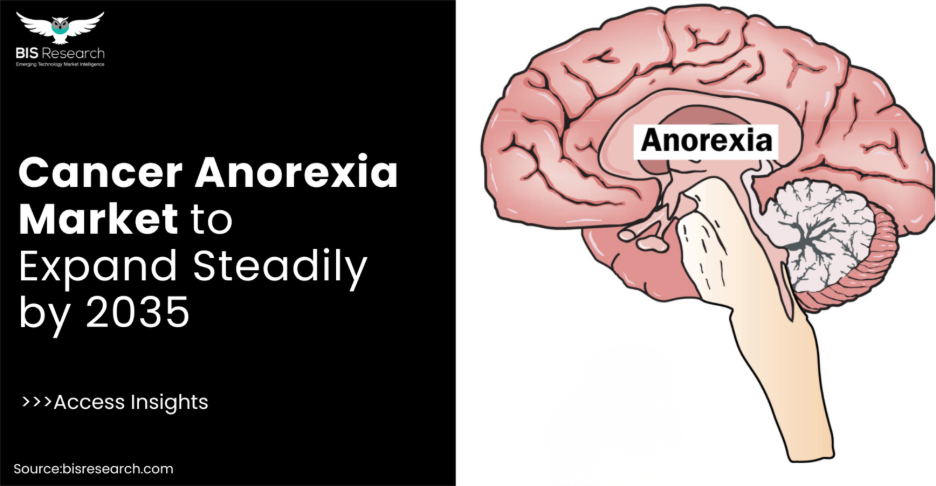
Cancer anorexia is a serious clinical condition marked by persistent loss of appetite and reduced food intake among cancer patients, particularly those in advanced stages of the disease. Unlike temporary appetite loss, cancer anorexia is a complex, multifactorial disorder influenced by metabolic, inflammatory, and psychological changes associated with cancer and its treatment.
This condition significantly contributes to malnutrition, muscle wasting, and cancer cachexia, ultimately worsening patient outcomes and quality of life. Left unmanaged, cancer anorexia can reduce treatment tolerance, impair immune response, and negatively impact survival rates.
According to BIS Research, the global cancer anorexia market is emerging as a critical segment within oncology supportive care. The market is expected to witness steady growth between 2025 and 2035, driven by increasing cancer incidence, rising recognition of cachexia as a life-threatening condition, and growing demand for effective appetite and weight-management therapies.
Access insights on Cancer Anorexia Market
• Rising global prevalence of cancer and increasing number of patients experiencing anorexia and cachexia
• Advancements in appetite stimulants, hormonal therapies, and anti-cachexia drug development
• Growing awareness among clinicians and patients regarding early diagnosis and intervention
• Increased research funding and awareness initiatives from organizations such as the National Cancer Institute (NCI) and American Cancer Society (ACS)
• Expanding focus on combination therapies to address appetite loss, muscle wasting, and fatigue simultaneously
According to a Principal Analyst at BIS Research:
“The cancer anorexia market is gradually evolving as awareness of cachexia and appetite loss increases among oncology care providers. Future growth will be shaped by advancements in biologic therapies, ghrelin-based treatments, and precision medicine approaches. Combination therapies that address both metabolic and inflammatory drivers of anorexia will play a key role in improving patient outcomes. As supportive cancer care gains more attention globally, cancer anorexia management is expected to become an integral part of comprehensive oncology treatment strategies.”
The cancer anorexia market is expected to grow steadily through 2035, supported by rising cancer prevalence, increased diagnosis rates, and continued innovation in appetite and cachexia therapies.
Prominent players operating in the cancer anorexia market include NGM Biopharmaceuticals and Artelo Biosciences, along with several emerging biotech companies focusing on novel biologic and combination therapies.
Ghrelin mimetics, myostatin inhibitors, and combination therapies integrating appetite stimulants with oncology treatments are gaining significant momentum. Nutritional interventions are also increasingly used as supportive care.
BIS Research offers KOL-based insights, rigorous segmentation, and strategic advisory across software, hardware, and sensing tech domains
Get deeper, tailored insights with a customized report designed around your market, technology focus, and strategic goals.