The world stands at a pivotal moment for food and Agriculture. With the global population climbing rapidly and climate change disrupting weather patterns, agriculture is under tremendous pressure to produce more with less. Modern agriculture is no longer just about traditional farming; it now incorporates advanced machinery, improved crop varieties, and sustainable land management practices to feed a growing world. As a result, agriculture has become a hub of innovation, blending centuries-old wisdom with state-of-the-art science to address food security, environmental sustainability, and rural development.
Alongside these advances in agriculture, Foodtech the integration of technology into food processing, safety, preservation, and delivery has emerged as a vital force. Foodtech companies are developing smarter ways to process, package, and distribute food, focusing on extending shelf life, improving nutritional value, and responding to shifting consumer preferences for healthier and more convenient options. Together, innovations in agriculture and foodtech are creating a resilient and responsive food system designed to meet the demands of a changing world.
Let’s explore six key areas leading this transformation: from smarter irrigation and safer crop protection to advanced beverage processing and innovative field data solutions. For each, you’ll find a deep-dive explanation, plus the latest advancements, trends, and market opportunities for 2025.
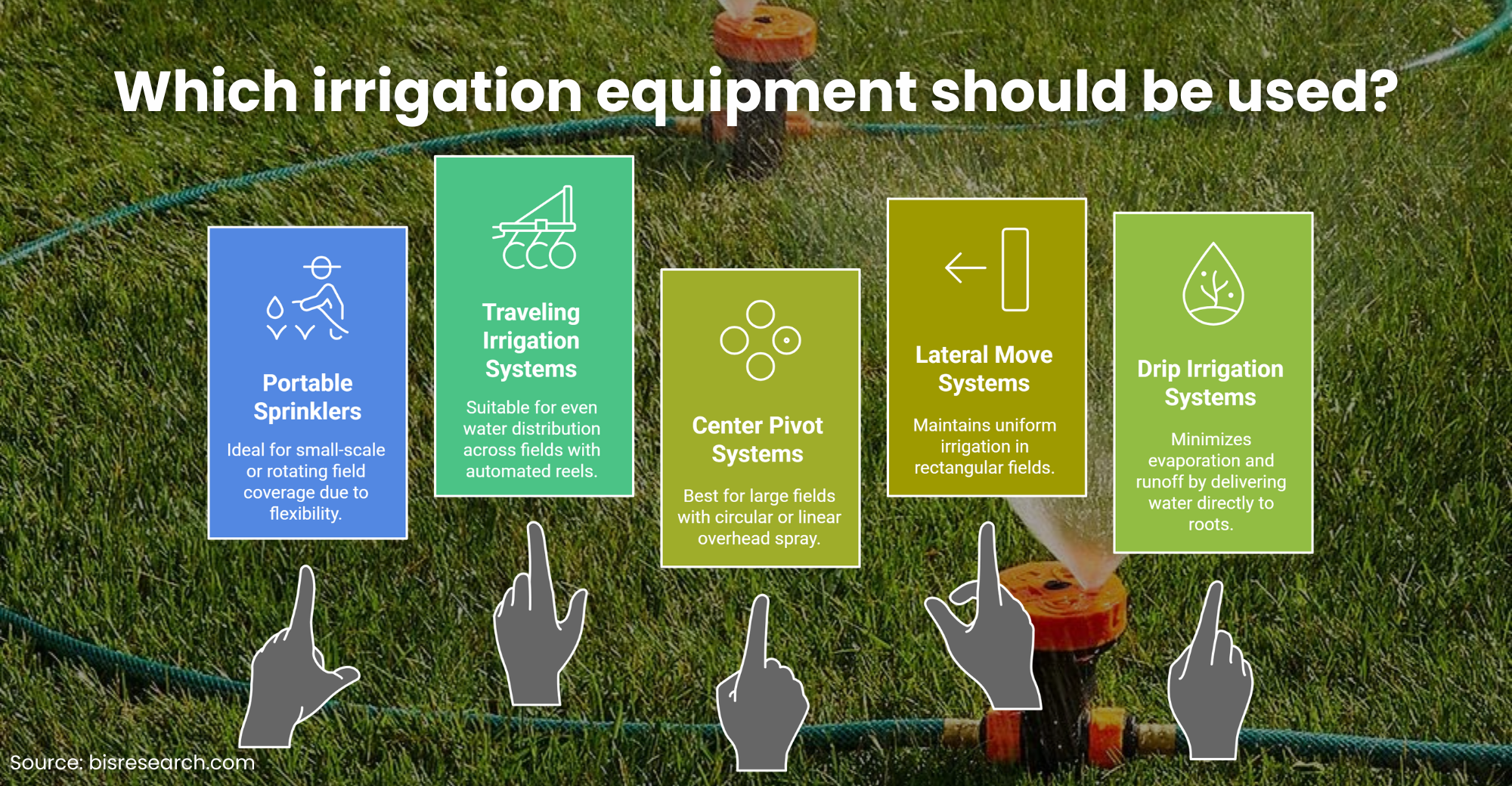
Irrigation equipment is at the heart of any successful farming operation, especially in regions facing water scarcity or unpredictable rainfall. Traditional irrigation such as flood or furrow methods often wastes significant water and energy. Modern systems, including drip irrigation, micro-sprinklers, center pivots, and sub-surface drip lines, deliver water directly to the plant roots with pinpoint accuracy. These systems are increasingly managed by smart controllers and moisture sensors, helping farmers save water, lower input costs, and improve crop quality. By matching water delivery precisely to a plant’s needs, irrigation equipment not only increases yields but also helps protect this precious natural resource.
Advancements in 2025:
Trends:
Market Opportunity:
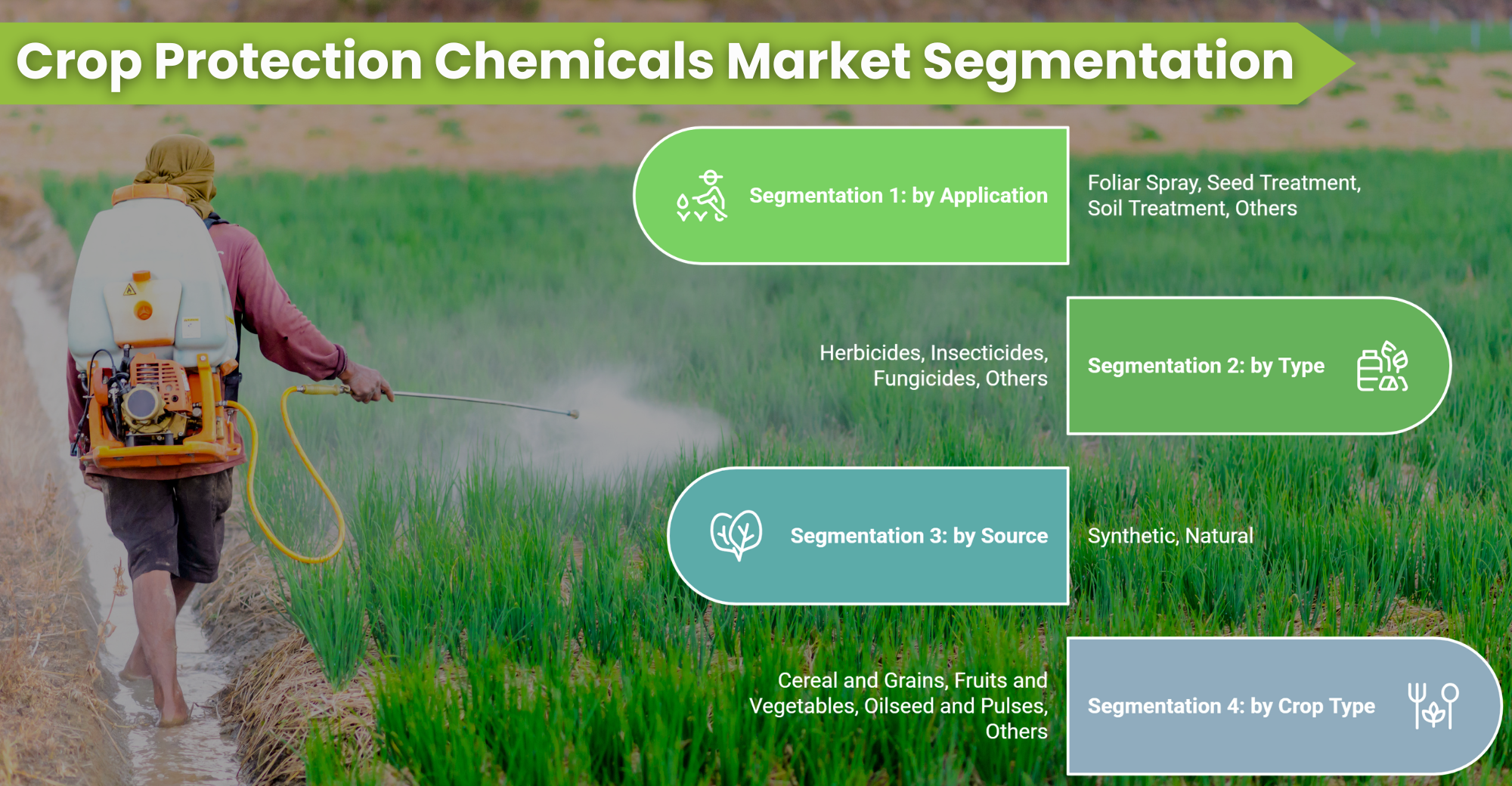
Crop protection chemicals such as pesticides, herbicides, and fungicides play a vital role in safeguarding crops from pests, weeds, and diseases. Without these products, farmers could lose up to 40% of their annual harvests, leading to massive food and income losses. However, growing concerns about chemical residues, resistance development, and environmental impact have driven a wave of innovation. Today, the focus is on precision application, safer molecules, and integrated pest management that combines chemicals with biological and cultural practices. This shift is helping to secure food supplies while minimizing harm to people and the planet.
Advancements in 2025:
Read More- How Innovation in Crop Protection is Powering the Next Green Revolution
Trends:
Market Opportunity:
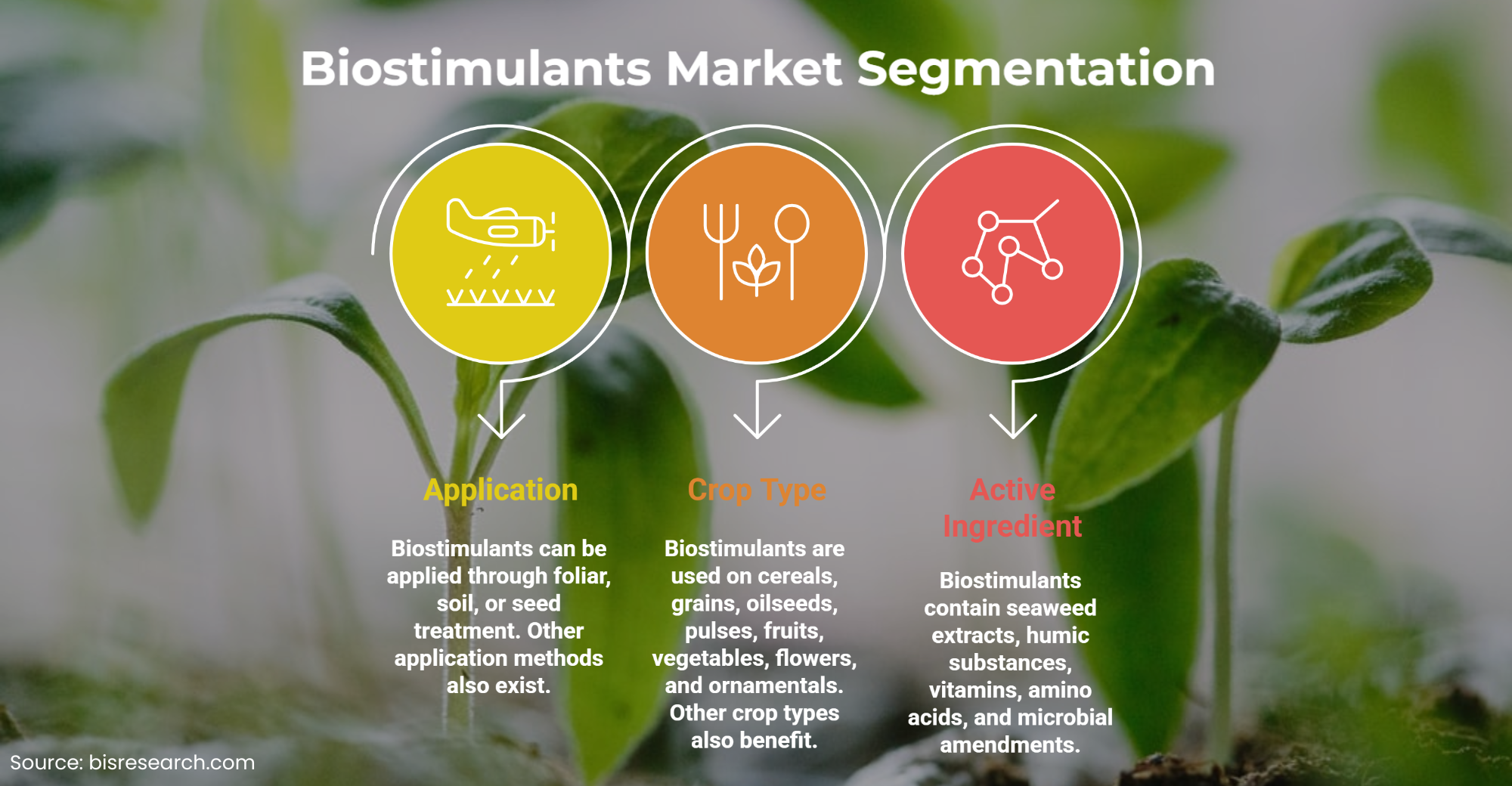
Biostimulants are a rapidly growing class of agricultural inputs that enhance plant growth, nutrient uptake, and stress resilience without directly supplying nutrients or fighting pests. These products include microbial inoculants, seaweed and plant extracts, amino acids, and humic substances. By activating the plant’s natural defense mechanisms and improving soil health, biostimulants can help crops withstand drought, salinity, and disease. Their environmentally friendly profile makes them a core pillar of sustainable and regenerative agriculture, as farmers seek higher yields with fewer synthetic chemicals.
Advancements in 2025:
Trends:
Market Opportunity:
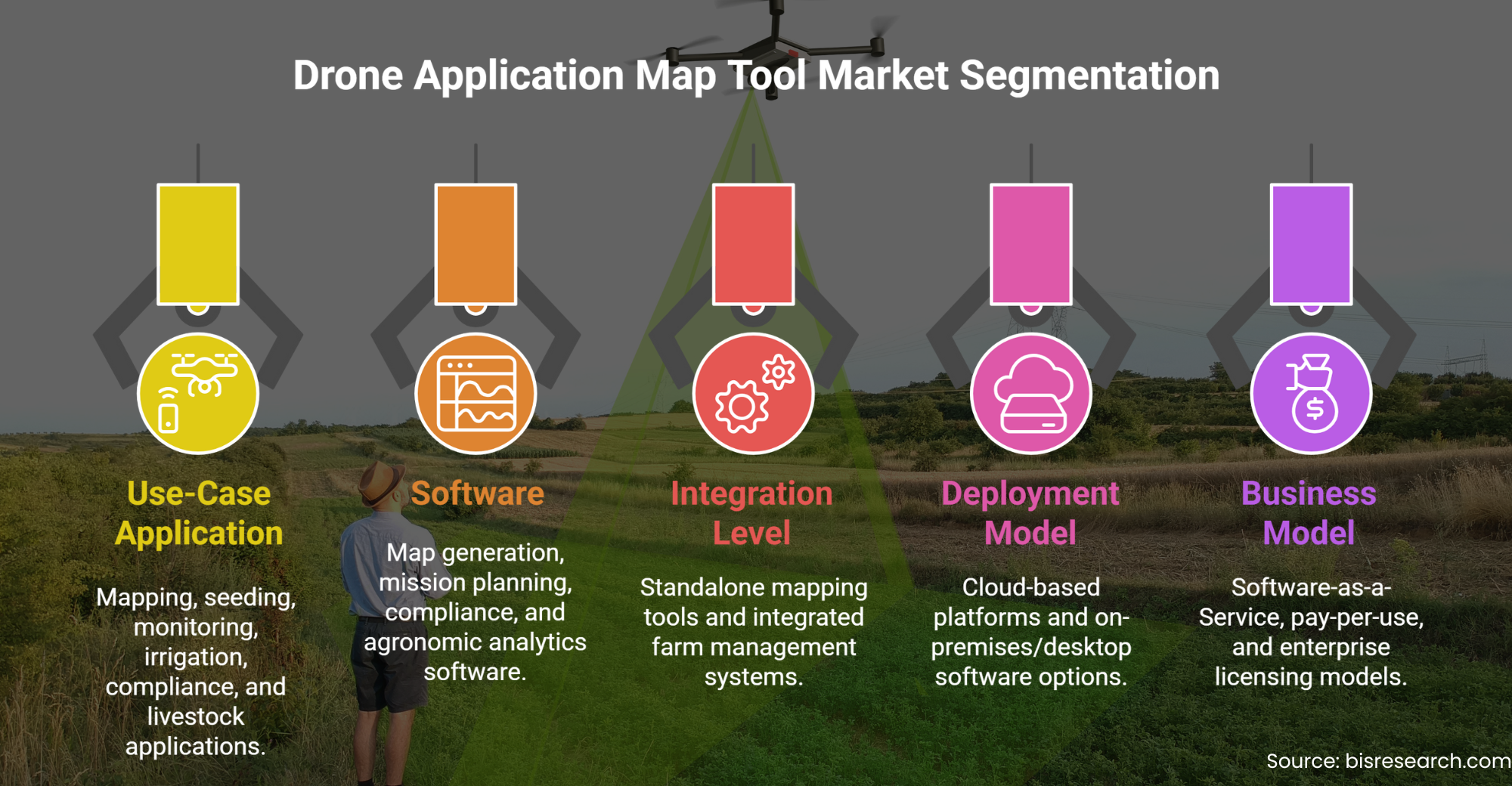
Drones are transforming agriculture from the skies. Equipped with multispectral cameras, drones can capture detailed images of crop health, soil variability, and pest or disease outbreaks that are invisible at ground level. The drone application map tool takes this data and converts it into precise application maps, guiding where to apply water, fertilizer, or crop protection products. This approach not only maximizes efficiency but also minimizes waste and environmental impact. With drone-derived insights, farmers make better decisions resulting in higher yields, reduced costs, and a more sustainable operation.
Advancements in 2025:
Trends:
Market Opportunity:
The Asia-Pacific non-alcoholic beverage is witnessing a remarkable evolution, as consumers prioritize health, wellness, and convenience. This market includes bottled water, juices, plant-based drinks, ready-to-drink teas and coffees, sports and energy beverages, and more. Shifting lifestyles, increasing urbanization, and rising disposable incomes are driving demand for innovative products with added health benefits. Manufacturers are responding by launching beverages with functional ingredients, natural flavors, and eco-friendly packaging reshaping the landscape of what we drink.
Advancements in 2025:
Trends:
Market Opportunity:
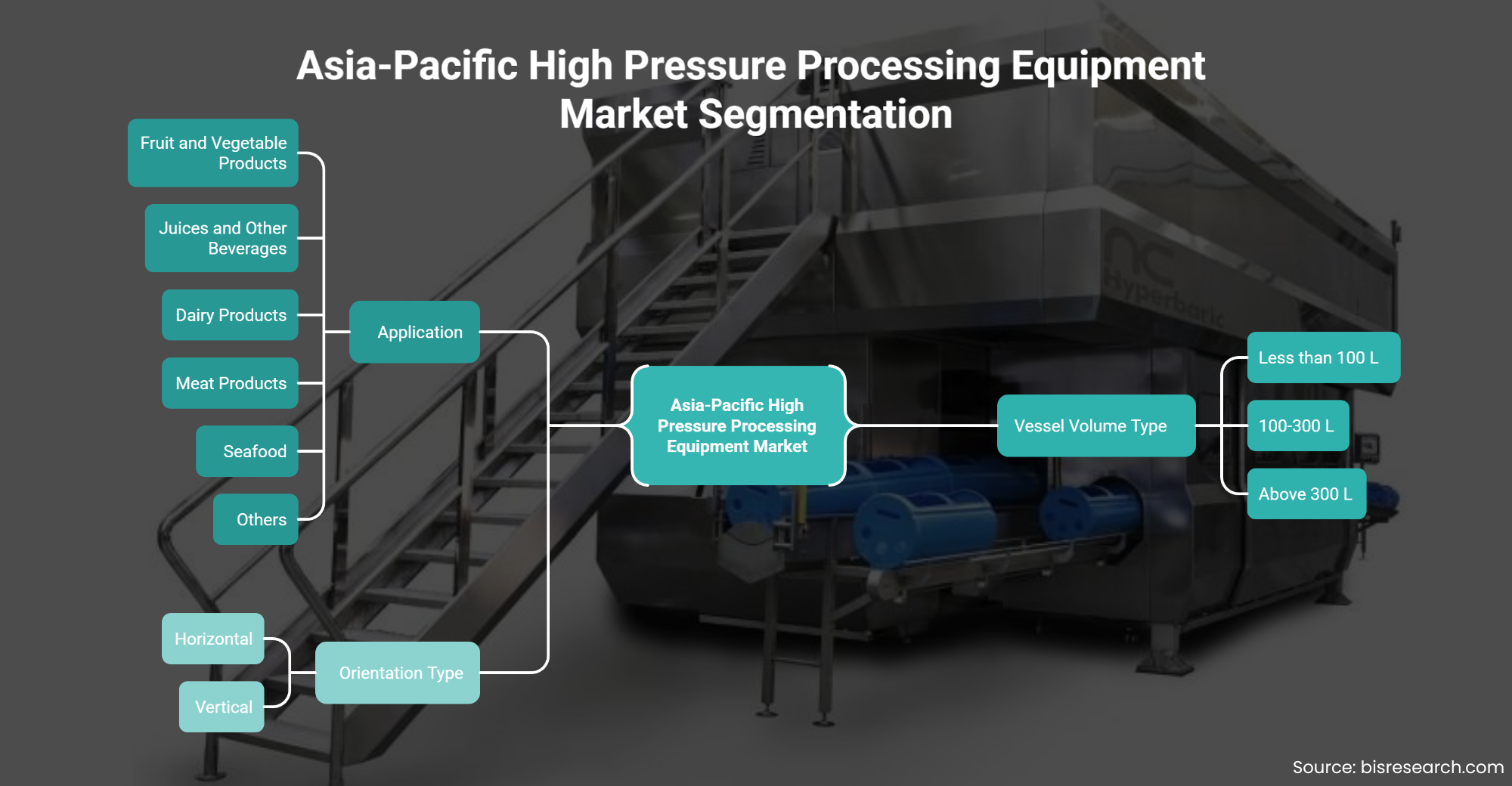
High-Pressure Processing (HPP) is a groundbreaking, non-thermal food preservation method that uses extreme pressure to destroy pathogens and extend shelf life without heat or chemical preservatives. This technique retains the natural taste, texture, and nutrition of food, catering to rising consumer demand for minimally processed, “fresh-like” products. HPP is increasingly used for juices, dairy alternatives, ready-to-eat meals, seafood, and baby food. With strict food safety standards and growing export requirements, Asia-Pacific food manufacturers are rapidly adopting HPP technology to stay competitive.
Advancements in 2025:
Trends:
Market Opportunity:
The Asia-Pacific HPP equipment market is set for strong growth, with rising adoption among beverage, dairy, and ready-meal segments across the region.
The convergence of agritech and foodtech is unlocking new possibilities for farmers, food producers, and consumers. Innovations in irrigation, crop protection, biostimulants, drone mapping, beverage development, and food safety are driving a transformation toward a smarter, more resilient, and healthier food system.
For stakeholders ready to embrace change by adopting technology, prioritizing sustainability, and responding to consumer trends, the market opportunities in 2025 and beyond are immense. As Asia-Pacific emerges as a global innovation hub, the future of food and agriculture looks not just possible, but powerfully promising.